
I’m in that stage of life where I’m learning more and more about pregnancy week by week. Every few months, one of my friends will announce they’re pregnant; each time, I’ll learn more about the various stages of pregnancy, and I’ll hear advice I’d never heard before about how to best protect and support the health of your baby.
Did you know, for example, that there is evidence to support the ‘pregnancy folklore’ about the link between carrying a baby with lots of hair and experiencing heartburn? I also didn’t know until recently that it’s best not to sleep on your back during the third trimester – it can increase the risk of stillbirth – and that you should sleep on your side instead.
How common is iron deficiency in pregnancy?
And then there’s the possibility of iron-deficiency anaemia, which affects roughly 4 in 10 pregnant people in the UK. To put that in perspective: iron deficiency is the single most common nutritional deficiency in pregnancy worldwide, and the World Health Organization treats it as a public-health problem on a par with any other in maternal health. If you're pregnant, this isn't a rare complication to file under "unlikely to be me" - it's closer to a coin toss.
Why iron matters more when you're pregnant
Getting an adequate intake of iron is important for anyone, at any time; but it’s particularly important during pregnancy. “It’s common for women to develop iron deficiency during pregnancy, because the demand for iron from the body is increased,” says Fertility Midwife & Women’s Health Specialist Danielle Harding, also a mother of 4. “Iron is needed to make red blood cells for both you and your baby. Red blood cells carry oxygen around your body to your baby, as well as to your organs and tissues.”
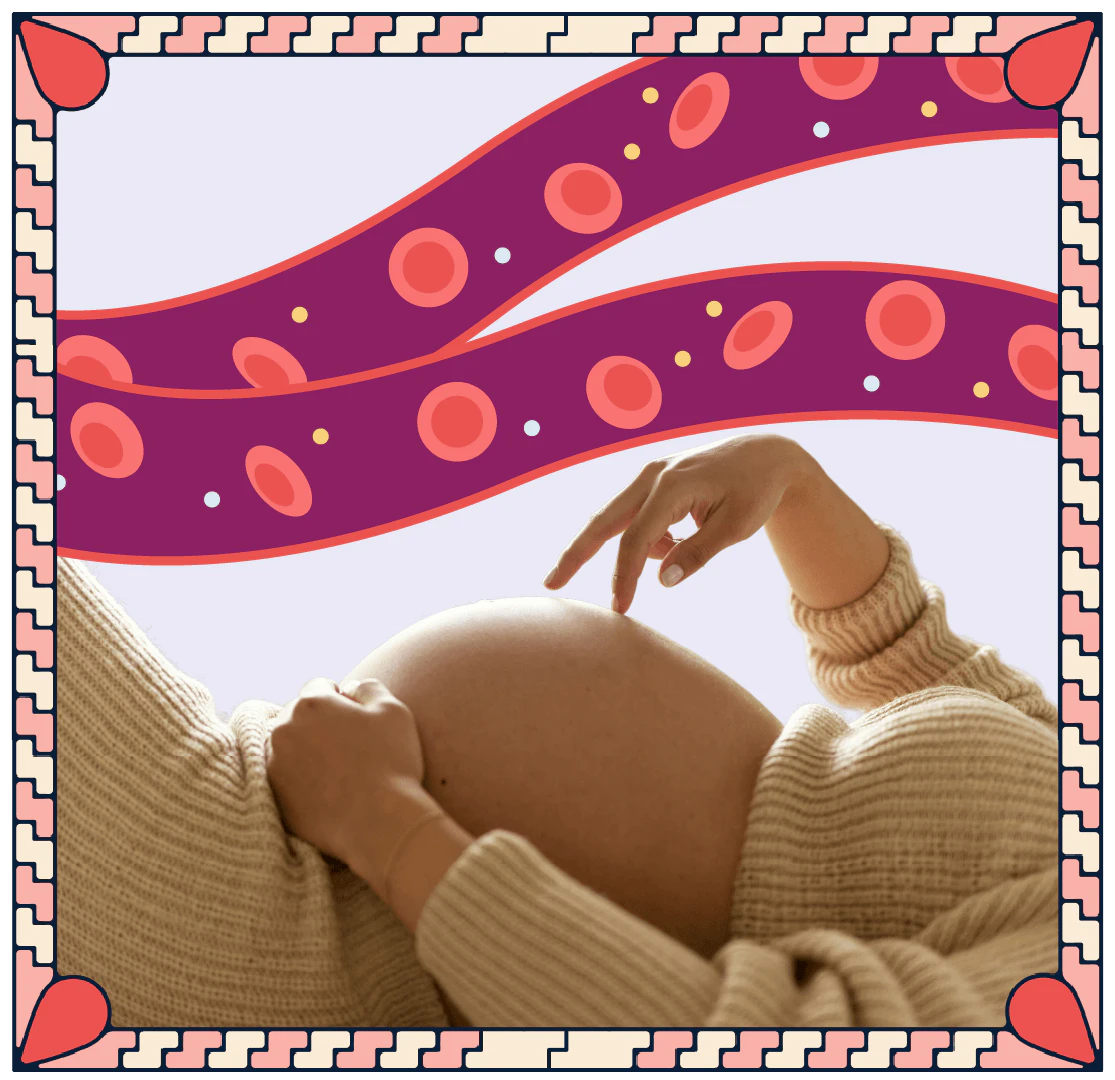
Harding goes on to explain how and why iron levels can dip during pregnancy. “The amount of blood in the body increases by about 50% when you’re pregnant,” Harding explains.
Here's a subtlety that trips up even some clinicians. Your blood volume doesn't expand evenly. The watery part of blood (plasma) increases by around 40–50%, but the red blood cell mass only rises by roughly 20–30%. Because the plasma outpaces the red cells, your blood becomes more dilute - so a haemoglobin reading that would signal anaemia in a non-pregnant person can be completely normal in pregnancy. This "physiological anaemia of pregnancy" typically reaches its lowest point around 28–32 weeks, then recovers. It's why your midwife interprets your blood results against pregnancy-specific thresholds, not the standard ones - and why a slightly low number mid-pregnancy isn't automatically a cause for alarm.
“Between week 6-8 of pregnancy, the body starts to produce more blood; and continues to do so into the third trimester. This is vital for the flow of oxygen and nutrients to travel between the uterus and placenta, which leads to nutrients being provided to the foetus and then filtering waste from the placenta’.
“The increase in blood volume is also a protective factor to prepare for blood loss at delivery,” Harding continues. “This means more iron is needed to make these extra red blood cells. If having twins or triplets, even more iron is needed.”
The impact of iron deficiency on pregnant women can be severe. 32-year-old Lily struggled with it during her recent pregnancy: “From around 30 weeks onwards I started to feel very dizzy and out of breath if I walked for more than about 10 minutes,” she says. “A few times I walked out to the shops and had to ring my husband to come [and] pick me up because I felt so faint and dizzy. I had to sit down on the side of the road when this happened, and it would take me [more than] 30 minutes to walk a distance [that usually took] 10, as I would need to stop regularly and sit down.”
The signs of low iron - and why they're easy to miss
“Iron-deficiency anaemia can cause physical symptoms for pregnant mothers, including reductions in muscle function and the ability to exercise, and it can also affect gut function,” explains Harding – adding that other symptoms can include:
- Tiredness
- Headaches
- Low energy
- Heart palpitations
- Paler than usual skin
The catch with these symptoms is that almost every one of them - tiredness, breathlessness, headaches - is also just… being pregnant. That overlap is exactly why iron deficiency is so often caught late: the warning signs hide in plain sight among the normal discomforts of pregnancy. This is the case for testing rather than waiting to "feel" deficient.
And less common symptoms, Harding says, can include: “Tinnitus or ringing in the ears, hair loss, wanting to eat non-food items such as dirt, painful ulcer sores in the corners of your mouth, and foods tasting strange compared to usual.
That craving for non-food items has a name - pica - and one of its most common and telling forms in iron deficiency is a compulsion to crunch ice (known as pagophagia). If you find yourself working through trays of ice cubes, it's worth mentioning to your midwife: it's one of the more specific early flags of low iron.
“It is a good idea to book in to see your doctor if you’re experiencing any of these signs,” Harding adds.
What low iron can mean for you and your baby
We asked Harding what the implications are – for both mother and baby – of iron levels dropping during pregnancy. “It can increase the risk of having a low birth weight baby, or delivery of your baby prematurely,” she answered. “Postnatally, it can cause additional tiredness and affect milk production. It has also been associated with postnatal depression. [Finally,] your baby could also have low iron stores after delivery.”
There's a reason the baby's iron supply matters so much. Iron is essential for building a foetal brain - it's needed to lay down the myelin that insulates nerves and to produce key neurotransmitters. Iron is preferentially sent to the baby during pregnancy, but if maternal stores run low enough, the baby's supply can be affected too. Observational research links low iron in pregnancy and early life with poorer neurodevelopmental outcomes in children, though it's important to be precise about what this shows: these are associations, and researchers are still establishing how much is cause and effect. What isn't in doubt is that iron is a raw material the developing brain cannot do without.
Best iron-rich foods for pregnancy
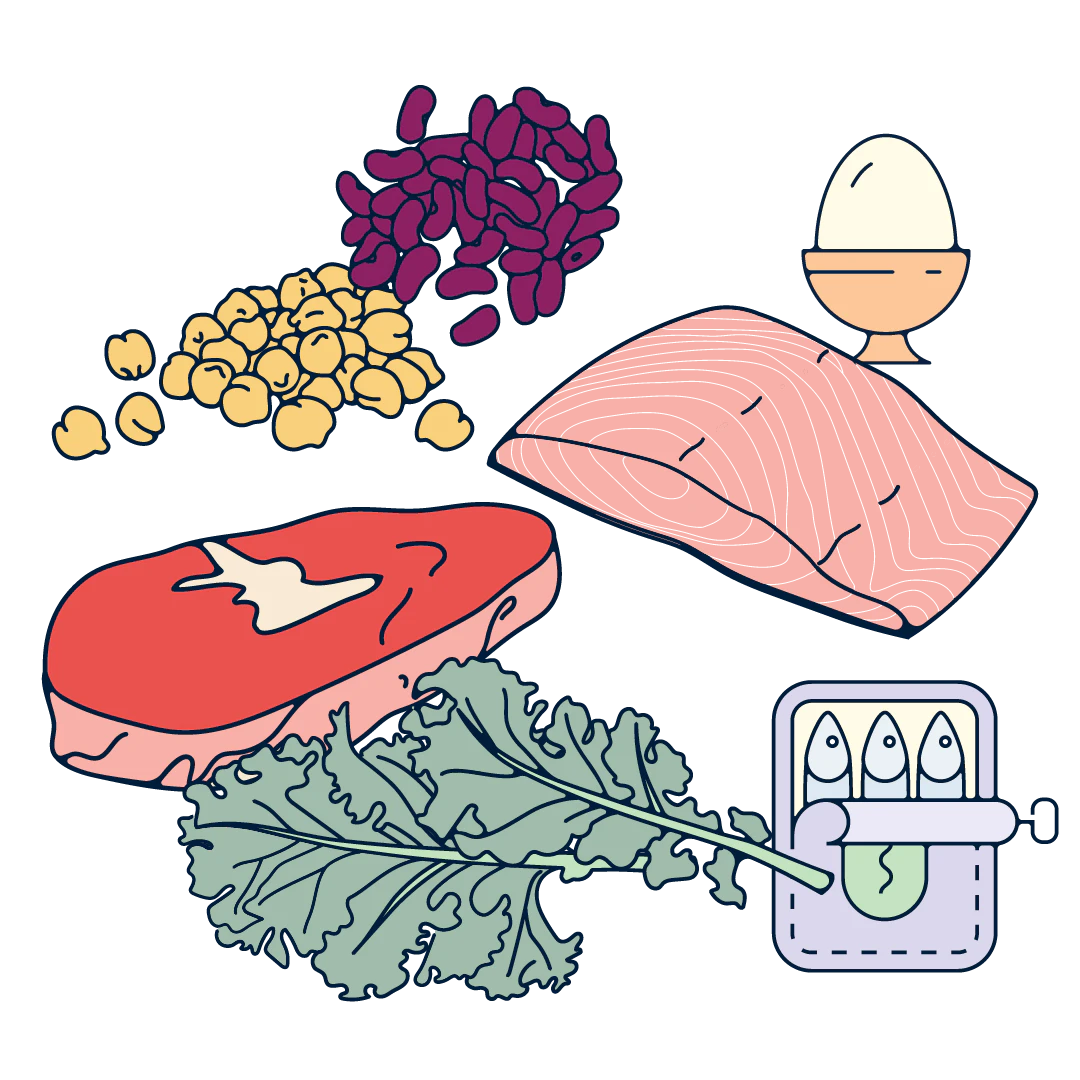
If you are concerned about iron levels during pregnancy, nutrition could be a good way to boost these levels. And it’s worth knowing that there are two types of iron in food: Haem iron and non-haem iron. We asked Nutritional Therapist Lara Chamberlayne to break these down. “Haem iron is found in animal tissue (meat) and is the type that is most easily absorbed in the body; non-haem, on the other hand, is found in plant-based sources and is less easily absorbed,” she says.
“Top sources of haem iron for pregnant women include lean beef, chicken and low-mercury fish such as salmon, sardines and trout,” Chamberlayne continues. However, it’s worth noting that, in addition to being low in mercury, fish should be fully-cooked until steaming hot if consumed during pregnancy (the same goes for cold cured meats); and you shouldn’t eat more than two portions of oily fish like salmon and sardines per week (and no more than four cans of tuna, or two tuna steaks, per week). Tuna has its own cap - no more than four cans or two tuna steaks a week - because larger, longer-living fish accumulate more mercury. In both cases the concern is pollutants building up in the body over time rather than any single meal, as high levels can be harmful to a developing baby. Chamberlayne also adds: “Liver is often touted for its high haem iron content, but is best avoided during pregnancy due to its high vitamin A levels, as they can harm the developing baby.
What blocks and what boosts iron absorption
“For those on plant-based diets, non-haem iron can still support iron status,” Chamberlayne says. “Top sources of non-haem iron include lentils, chickpeas, beans, apricots and leafy green vegetables such as kale and spinach. Pairing these non-haem sources with foods rich in Vitamin C (think oranges, tomatoes, peppers, berries and broccoli) will improve iron absorption.
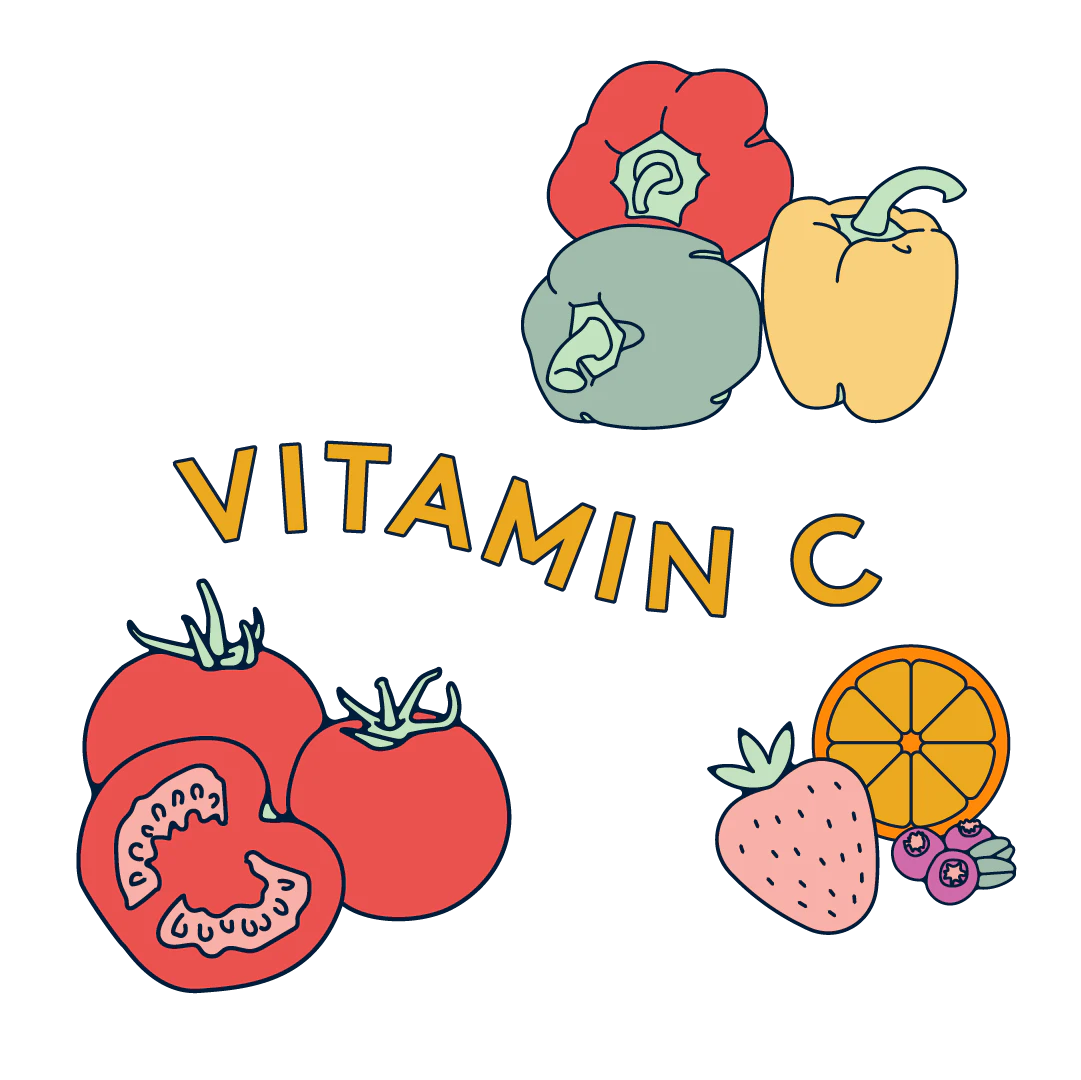
This pairing isn't a marginal effect. Vitamin C can increase the absorption of non-haem (plant) iron severalfold by converting it into a form the gut takes up more readily. In practice that means a squeeze of lemon on your lentils or a glass of orange juice with a spinach-based meal does real work - it's one of the highest-leverage, lowest-effort things a plant-based eater can do for their iron status.
One quirk worth knowing: cooking acidic foods like tomato sauce in a cast-iron pan measurably increases their iron content, as small amounts leach into the food. It won't treat a diagnosed deficiency on its own, but for anyone topping up, it's a free bonus.
“It’s also worth noting that tea, including matcha, and coffee contain tannins that reduce iron absorption, so it’s best not to have them at the same time [as iron-rich foods] – spacing them out by 1-2 hours is recommended,” Chamberlayne adds. “Calcium similarly competes with iron for absorption, so is also best eaten separate from iron-rich foods.”
When food isn't enough: supplements and infusions
But, of course, if you’re concerned about – or diagnosed with – low iron during pregnancy, you should ask your doctor what’s best to do; and it might just be that nutrition alone won’t be enough to restore your levels. “While nutrition plays a meaningful role, many [people] will find that supplementation is required to correct deficiency,” explains Chamberlayne. “A GP can assess iron status with blood tests.”
If supplementation is needed: “Usually, your GP/doctor will prescribe a daily iron supplement such as Ferrous Sulfate or Ferrous Fumarate,” says Harding – and, as with non-haem iron, Harding adds that it’s best to take these supplements with vitamin C, like a glass of orange juice, to increase absorption.
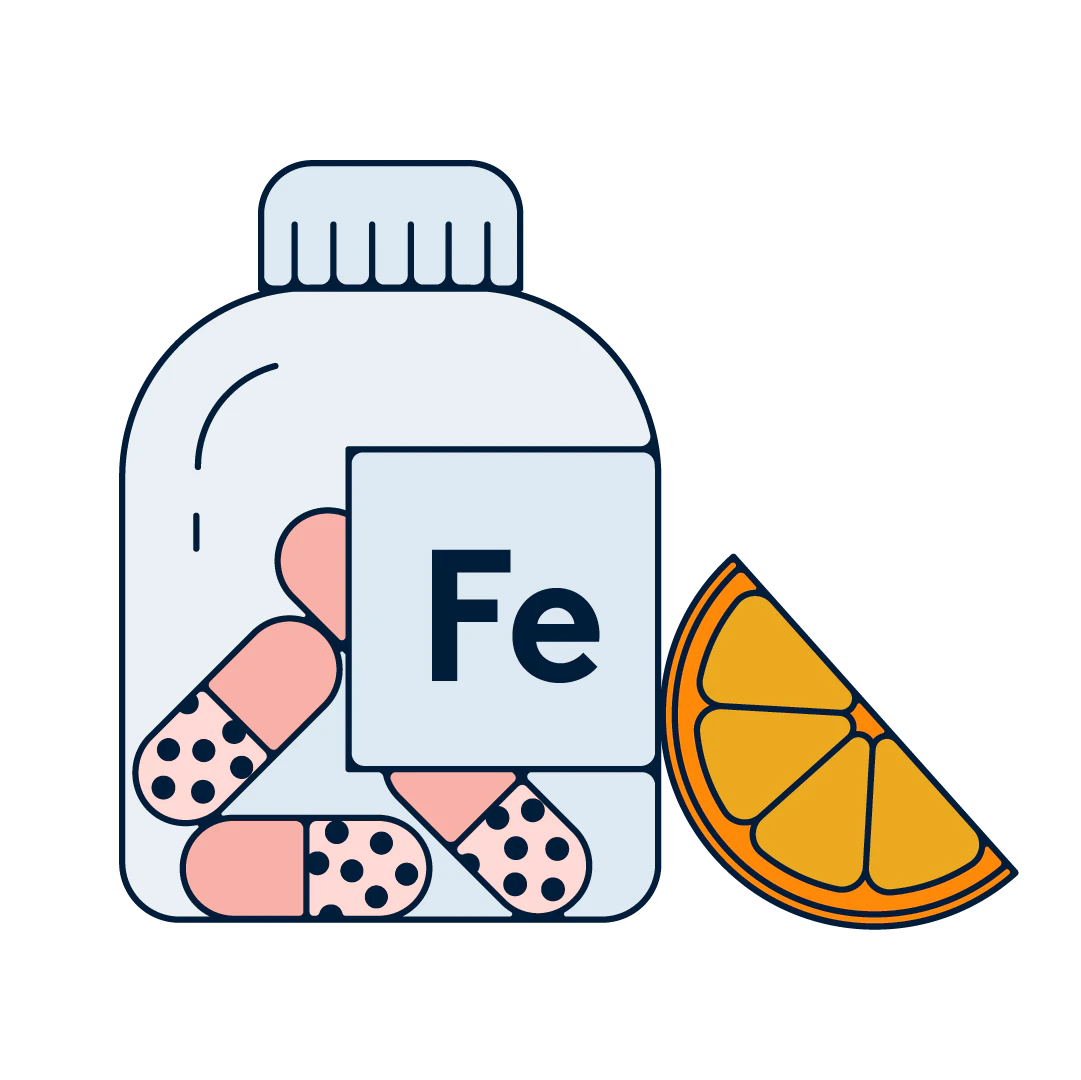
“After starting prescribed supplements, your GP or midwife will usually arrange a repeat blood test at a later date to check that your iron/haemoglobin levels are improving,” Harding continues. “For very low iron levels, sometimes the doctor may arrange for an intravenous (IV) iron infusion to be completed at your local hospital.”
This was the case for Lily. “I was prescribed iron tablets, but unfortunately my iron levels continued to drop and the symptoms became more severe – to the point where I couldn’t walk for more than a few minutes at a time,” she says. “I then had an iron infusion in hospital; the symptoms subsided after a couple of weeks and my iron levels increased.”
So, if you’re struggling with iron deficiency, there are solutions out there – and Harding emphasises that you’ll be looked after: “Haemoglobin levels will be checked at intervals by the midwife/doctor during pregnancy to monitor and ensure your iron levels are optimum.”
One thing worth knowing for the delivery itself: waiting 1-3 minutes to clamp the umbilical cord after birth - rather than clamping immediately - allows a meaningful volume of iron-rich blood to pass to the baby, and is associated with higher iron stores in infancy. It's now recommended as standard practice by the World Health Organization for exactly this reason. It's a simple thing to know about and, if you'd like it, to note in your birth preferences.
Two practical notes on tablets. First, the side effects - constipation, nausea, a metallic taste - are common and are largely caused by the portion of iron that isn't absorbed passing through the gut. They're a big reason people quietly stop taking their tablets, so if they're bothering you, tell your midwife rather than abandoning the iron: the dose, form, or timing can often be adjusted. Second, an interesting area of research: in non-pregnant women, taking iron every other day rather than every day can actually improve how much each dose is absorbed, because a daily dose transiently raises a hormone called hepcidin that blunts absorption of the next one. In pregnancy the picture is less settled - the body's iron demand is so high that daily dosing may still be best - so this is firmly a conversation to have with your own clinician, not a reason to change your regimen on your own.
Beyond iron: other key pregnancy nutrients
So there you have it. Iron during pregnancy is something to be highly mindful of – but there is help available if you’re worried or struggling. Always speak to your doctor, GP or midwife if you have any concerns at all.
But iron is by no means the only vitamin pregnant people should be thinking about; Harding rounds things off by detailing some of the other vitamin levels that are important to maintain during pregnancy. “Vitamin D is essential in pregnancy for helping your baby’s teeth and bones develop; folic acid is essential in the first three months of pregnancy (and ideally three months prior to pregnancy) to help reduce the chances of your baby developing [a] neural tube defect and other conditions, such as cleft palate,” she says. “It is advised to take a daily pregnancy multivitamin that contains a variety of vitamins and minerals, including iron, folic acid and Vitamin D, to support a healthy pregnancy.”
Know your iron before you start trying
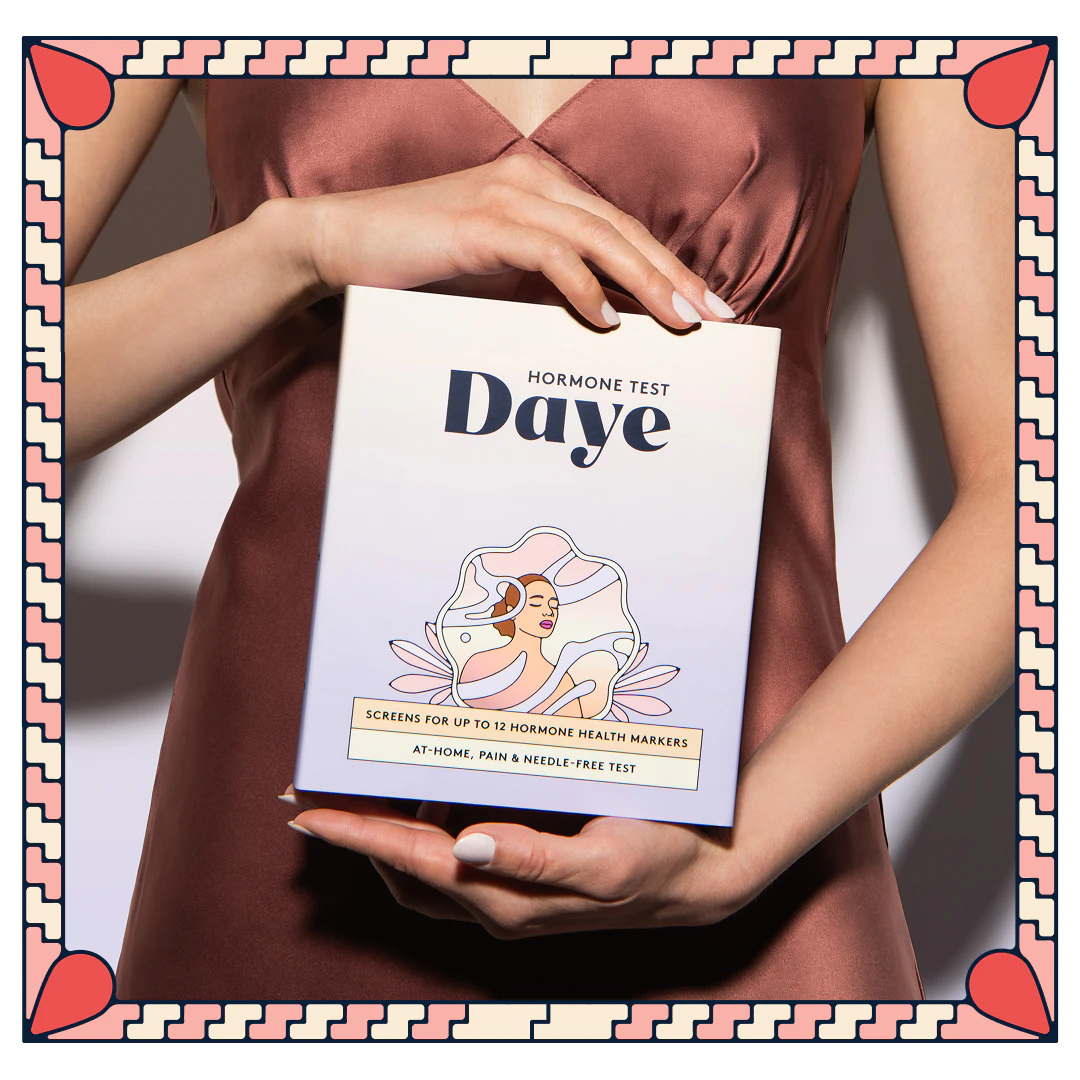
Worth knowing: the iron you start pregnancy with matters as much as the iron you take during it. Low stores at conception make deficiency later far more likely, and there's no routine pre-conception check for it.
Daye's Hormone Test measures ferritin, the marker of your iron stores, alongside your key reproductive hormones, from a sample you take at home. Results come with clinical interpretation, so you'll know whether it's something to raise with your GP before you start trying.