



Съдържание
1. What exactly is HPV?
2. Can you screen for HPV while pregnant?
3. What are the implications of being pregnant with HPV?
4. What are the effects (if any) on the mother and the baby?
5. What about childbirth itself?
6. What should a pregnant person do if they learn they have HPV (or vice versa)?
7. Is there any other advice for pregnant people who have HPV?
8. Some parting thoughts…
Написано от Izzie Price
Медицински преглед от Sarah Montagu (RN DFSRH, BSc) Deborah Maguire (RN, BSc)
Илюстрирано от Valko Slavov
Pregnancy can be a joyful, jubilant time as you prepare for the arrival of the newest member of your family – but it can also be rife with questions, especially if you’re a first-time parent. It’s totally normal to feel uncertain and unsure as you navigate something you’ve never experienced before; to scroll through articles explaining why you shouldn’t eat unpasteurised dairy, or to wonder how you never knew that cold-smoked fish or cured fish can cause listeriosis.
And if you suddenly discover, while pregnant, that you also have HPV – that could send a whole new set of questions, concerns and worries spiralling in and around you.
“When pregnant women receive an HPV diagnosis, they often experience emotional distress characterized by fear, shame and uncertainty,” says Elizabeth King: Certified Fertility Expert and CEO of Fertility Coach Academy. “People diagnosed with any virus during pregnancy immediately worry about their baby’s health and potential birth complications as well as future effects.
“The diagnosis of both pregnancy and HPV can elicit a complex blend of emotions which includes relief for those who understand the risks, but also increased anxiety about virus transmission and available medical treatments,” King continues. “Pregnancy hormones lead some women to fear HPV progression while others feel frustration because their formerly manageable condition becomes difficult to control.”
But, while these emotions are completely normal – there really is no need to panic. Let’s take a (metaphorical) walk through some questions you might have, if you’ve either received an HPV diagnosis while pregnant, or discovered you’re pregnant following an HPV diagnosis – and, hopefully, we’ll be able to put your mind at ease.


What exactly is HPV?
“HPV, or Human Papillomavirus, is the most common sexually transmitted infection worldwide,” explains Dr. Sarah Welsh, Gynaecology Expert and Co-Founder of HANX. “It’s so common that nearly all sexually active people will get at least one type of HPV at some point in their lives. There are over 100 different types of HPV, with some causing no symptoms at all, while others can cause genital warts or lead to certain cancers, including cervical cancer.
“Most HPV infections actually clear on their own within two years, but it’s the persistent infections with high-risk types that can lead to cell changes and potentially cancer over time,” Welsh continues. “This is why cervical screening is so important to catch potentially high-risk HPV in the early stages.”
Can you screen for HPV while pregnant?
“Yes, HPV screening can be done safely during pregnancy,” says Welsh.
However, the timing of your screening will depend on your specific medical history and local guidelines. While Dr Welsh notes that screening is often still performed in the first trimester, this is not always the case for everyone.
In the UK and Ireland, for example, the NHS and HSE typically recommend postponing routine cervical screening until at least 12 weeks after delivery, as pregnancy hormones can make it harder to obtain clear results. However, if you have a history of abnormal results, are high-risk, or are significantly overdue for a test, your healthcare provider may recommend proceeding with the screening while you are pregnant.
“If abnormal results are found, a colposcopy (a procedure to closely examine the cervix) may then be performed, which is safe during pregnancy,” adds Welsh. “However, further diagnostic procedures like biopsies are usually avoided during pregnancy unless absolutely necessary, and treatments for cervical abnormalities are usually postponed until after delivery unless there’s a significant concern about cancer.”


What are the implications of being pregnant with HPV?
“Getting pregnant while having HPV doesn’t typically affect fertility or pregnancy, but high-risk strains require monitoring since they’re associated with cervical abnormalities,” says Dr. Janet Choi: Chief Medical Officer of Progyny.
Welsh agrees. “The virus doesn’t affect fertility or increase the risk of miscarriage,” she says. “However, with high-risk HPV infections, there are a few considerations. If you have previously had abnormal cervical screening results due to HPV, your GP or healthcare provider will monitor you during your pregnancy.”
While the general clinical consensus is reassuring, it is worth noting that research in this area is evolving. Some studies, such as those highlighted in the British Journal of Midwifery, have suggested a potential link between HPV infections and fertility challenges in both men and women.
These studies indicate that HPV could potentially impact sperm health (such as motility or count) or be a risk factor for complications like the premature rupture of membranes. However, for the vast majority of people, HPV does not prevent a healthy pregnancy. If you are concerned about your fertility history, discuss these risks with your specialist.
What are the effects (if any) on the mother and the baby?
“Hormonal changes during pregnancy can sometimes cause HPV-related symptoms like genital warts to grow more quickly, or in greater numbers, though this doesn’t harm the baby,” says Welsh. “As for effects on the baby, vertical transmission (passing HPV from mother to baby) during delivery is possible but extremely rare, and even when it occurs, HPV infections in babies usually clear up without treatment.”
To put those risks into perspective, a recent study published in JAMA Pediatrics followed 1,050 pregnant women and their newborns. The researchers found that while 40% of the women had HPV detected in the vagina, only 7% of the babies tested positive for the virus at birth. Crucially, none of those infections persisted after six months—reinforcing the fact that long-term transmission is exceptionally rare.
And speaking of delivery…
What about childbirth itself?
“In most cases, HPV doesn’t impact labour nor mode of delivery but if there are large genital warts that could obstruct the birth canal (and lead to haemorrhage/obstruction), your doctor might recommend a caesarean section,” explains Choi.
Welsh concurs, going into more detail. “In my time working in NHS obstetrics, I saw many births where the mother had a high-risk HPV infection and all went smoothly,” she says. “Despite many people’s worries, it doesn’t necessarily impact labour or delivery methods. The exception to this is [as Choi said] if you have genital warts (caused by low-risk HPV types, not high-risk types) that physically obstruct the birth canal. These cases are rare, but if these warts are present, you might be recommended for a caesarean section to avoid transmission to the baby during the birthing process.”

What should a pregnant person do if they learn they have HPV (or vice versa)?
“The most important thing is to keep your prenatal appointments and follow your healthcare provider’s recommendations,” says Welsh. “For most pregnant people, no specific treatment for HPV is needed during pregnancy. If you have genital warts that are causing discomfort, certain treatments are considered safe at this time, but many doctors and healthcare providers tend to prefer to wait until after.
“It’s important to prioritise your and your baby’s wellness with a healthy lifestyle, and absolutely avoiding smoking,” Welsh continues. “For most people, their HPV infection will clear up on its own.”
Is there any other advice for pregnant people who have HPV?
“Don’t panic, attend all prenatal appointments, follow through with recommended cervical screenings, and discuss any concerns with your healthcare provider,” says Choi. “Remember that HPV is extremely common, and most women with HPV have perfectly healthy pregnancies and babies. Regular monitoring ensures any issues are caught early.”
“It’s really important to minimise stress during pregnancy, so I’d advise anyone who is diagnosed with a high-risk HPV infection whilst expecting to try not to worry excessively,” adds Welsh.
Welsh echoes Choi’s points about keeping up to date with prenatal appointments and always following the advice of your doctors and healthcare professionals; and adds that you should “be proactive about raising any concerns about symptoms.
“Focus on keeping yourself and baby healthy by eating a balanced, nutritional diet, getting plenty of rest, regular non-intensive movement and avoiding smoking and alcoholic drinks,” Welsh continues. “Remember, most HPV infections, even high-risk types, clear on their own over time. After the baby is born, do make sure to attend any recommended follow-up appointments for cervical screening to monitor your HPV status and cervical health.”

Some parting thoughts…
Choi maintains the most important take home is around prevention. “To protect against getting an HPV infection, make sure to follow your doctor’s guidance around HPV vaccination as well as using barrier protection [such as condoms] when sexually active,” she says.
It is worth noting, however, that while condoms significantly reduce the risk, they do not offer 100% protection against HPV. Because the virus is passed on through skin-to-skin contact, it can still affect areas of the genital skin not covered by a condom. This high level of infectivity is exactly why the virus is so common, and why regular screening remains so important regardless of barrier usage.
On the note of prevention, it’s worth adding here that, while there’s no evidence the HPV vaccine is harmful if you’re pregnant, the NHS says you may sometimes be advised to wait until you’re no longer pregnant before having the vaccine. Always follow your doctor’s advice on this. You can have the HPV vaccine while breastfeeding.
Welsh’s take home is about eradicating the stigma associated with HPV. “HPV is still deeply stigmatised and often wrongly associated with promiscuity or poor sexual health practices,” she explains. “This can make being diagnosed with HPV when pregnant even more stressful, especially when combined with concerns for the baby’s wellbeing. Try not to panic – having HPV does not reflect badly on yourself.
“It’s also worth remembering that a HPV diagnosis doesn’t necessarily mean a recent infection, or infidelity by a partner,” Welsh adds, concluding: “The virus can lay dormant in your system for years before detection.”
And finally, King has three pieces of advice for anyone struggling emotionally with an HPV diagnosis while pregnant:
- “Recognise your emotions but choose self-compassion over self-judgement,” King says. “HPV is one of the most prevalent viruses with most infections resolving independently without complications. Make sure to stay informed but avoid excessive worry about negative outcomes.”
- “Address your fear-based thoughts so you can find clear understanding and truth,” King continues. “Do not explore endless online information because it will increase your stress levels. Find a medical professional who offers information based on scientific evidence. When you differentiate truth from fear-based stories, you gain empowerment.”
- “Writing your thoughts in a journal or recording them through your voice will facilitate emotional processing,” King adds. “Reinterpret your experience to establish deeper confidence in your physical recovery capabilities.”
However, it is also important to remember that fears during pregnancy are not always rational, and for some, the anxiety can feel overwhelming despite these steps. If you find yourself struggling to cope, consider speaking to a counsellor or cognitive behavioural therapist (CBT). They can help you process the news in a safe space and provide tools to reduce your anxiety levels.
Remember: Stay calm, tell your doctor/healthcare provider about any symptoms or concerns; follow their advice to the letter; and remind yourself that your body is capable of some seriously wonderful things.
Relevant Products
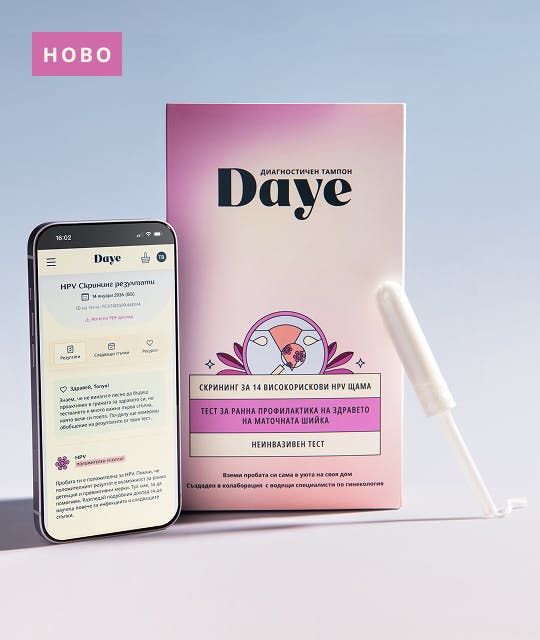
Виж резултатите на нашия основател!
Чудиш се за какво тестваме и как изглеждат резултатите? Въведи имейла си по-долу и Валентина, нашият основател, ще ти изпрати своето обобщение на резултатите.
С въвеждането на имейла си по-горе се съгласяваш да получаваш маркетингови имейли и промоции от Daye.


