


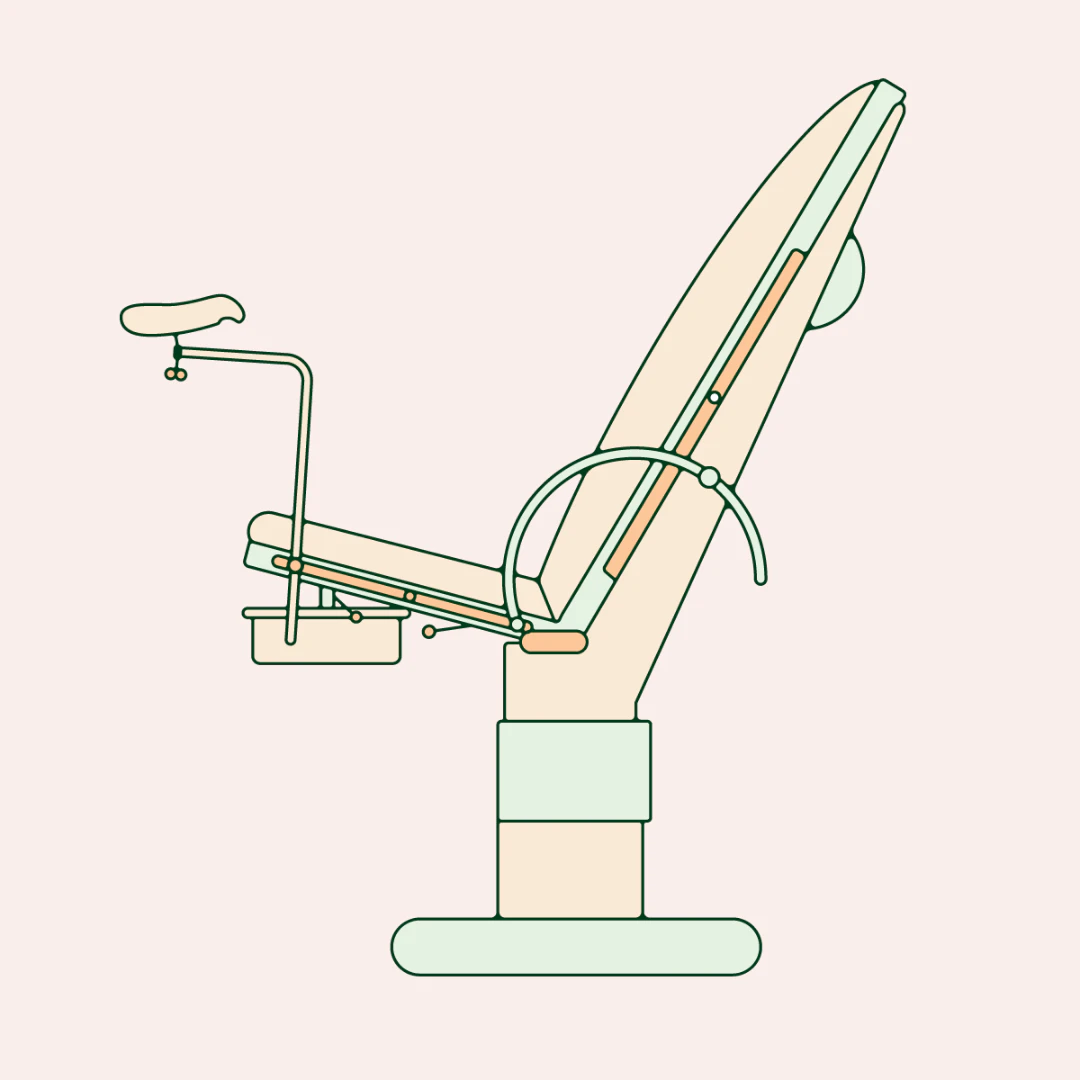
When I went for my most recent cervical screening – last year, in fact – I was terrified.
I’ve never done well with invasive vaginal experiences. I remember sitting in a toilet cubicle at school when I was about 15, with friends standing on the other side of the door trying to help me put a tampon in. “I just can’t do it,” I wailed in frustration. It was years before I could use a tampon properly.
I’ve had my share of painful sex, too. With my last boyfriend, the sex was excruciatingly painful at first; we went through weeks of trying, with no success. It didn’t matter how much lube we used or how slowly we went – I’d be whimpering in pain within the first few seconds.
So it’s safe to say that, when I turned up for my routine cervical screening last year, I was more than a little nervous. I’d had one cervical screening before; and, while it hadn’t been as bad as I’d expected, it had involved a few seconds of discomfort. This time, I willed my vaginal muscles to relax as the practitioner chatted away with me, anticipating the sudden stab of pain – which never came. The procedure was, quite literally, over before I knew it: and I couldn’t believe how easy it was.
Cervical screenings are vitally important; they test for HPV, high-risk cases of which can result in cervical cells becoming abnormal. They involve a small sample of cells being taken from the cervix (the neck of the womb, at the top of the vagina). It’s not a cancer test, but it does aim to prevent cervical cancer. The NHS recommends that people with a cervix between the ages of 25 and 64 should have regular cervical screenings.

They can be utterly terrifying, but cervical screenings are typically absolutely fine (not to mention pain-free). Be that as it may, though, pre-screening fear is both normal and common; and it helps to know as much as possible before heading to your appointment. After all, it (literally, sometimes) never hurts to be prepared; so here are some facts about cervical screenings that everyone with a cervix would benefit from knowing.
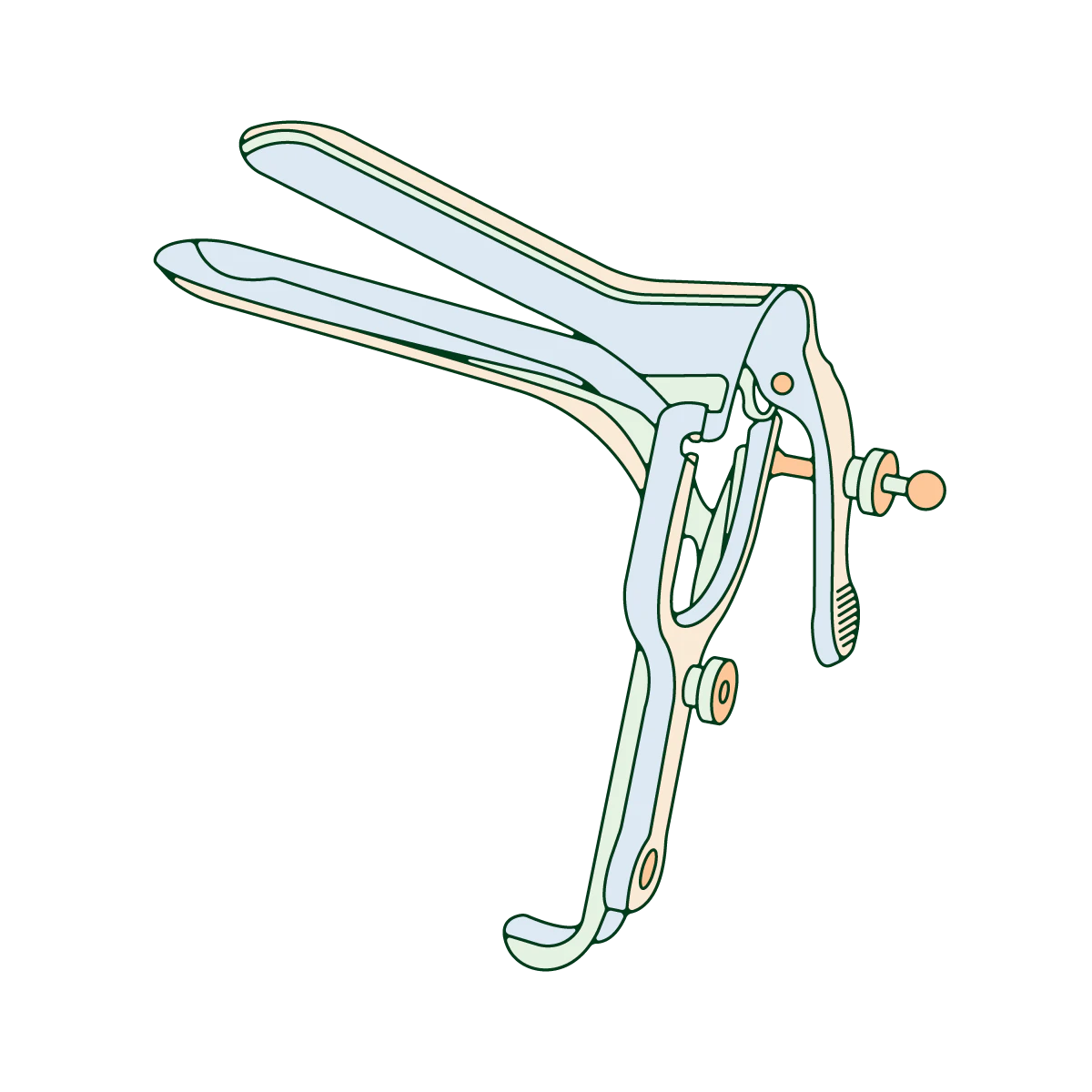
There is more than one size speculum.
This is crucial to know.
It’s totally normal to feel intimidated by the idea of a speculum making its way steadily into your vagina. But they come in different sizes, and your practitioner can choose an appropriate speculum depending on various factors, such as your vagina’s width.
You get a say in this too, though. While they do come in different sizes, there’s no getting around the fact that speculum exams are invasive in nature. If, like me, you struggle with this, you can ask for things that might help. “I need the smallest speculum,” I said, bluntly, to the practitioner at my last screening: and the smallest one is what I got. There’s also the option of using lubrication, to help the speculum go in more easily.
The practitioner may ask you to put your hands under your lower back to help find the cervix.
The NHS describes the cervix as “the opening to your womb from your vagina”. Usually, they sit ‘straight’; but everyone’s body is different, and some people may have a tilted cervix – which makes them harder to find during a cervical screening.
In a blog for Jo’s Cervical Cancer Trust, Specialist Practitioner in Women’s Health, Jenny Greenfield, explained this by saying that, for those with a straight cervix: “When you put the speculum into the vagina, the cervix can be seen easily”; but also that “it’s very common to have a tilted cervix.
“This means that the cervix curves in a different direction,” Greenfield continued. “It might sound strange, but it’s nothing to worry about.”
If your cervix leans towards the back, the practitioner may request that you place your hands under your bottom or the small of your back. This is nothing to be concerned about; it’s just a way of tilting the pelvis to help find the cervix and, as a result, making the whole cervical screening process easier.
It is possible to get a cervical screening while you’re menstruating?
It’s best to wait until your period is over for that month
General advice is to avoid getting a cervical screening during your period; the blood makes it harder to analyze the sample of cells taken for HPV.
It is possible to get a cervical screening while you’re menstruating, though. A 2021 Women’s Health article quoted OB-GYN Christine Greves, MD, who said, “Today, cervical testing analysis is more sensitive”. This is true – take liquid-based cytology (LBC), for example, which is a way of getting cervical samples ready to be examined and which separates the cervical cells from blood.
Ultimately, though, it’s still best to book your appointment for a day when you know you won’t be menstruating, especially if you have a heavy flow. There’s always a chance the blood could obscure the cervical cells and prevent a thorough analysis; and, ultimately, it’s best to avoid having an inconclusive result and having to go back for another cervical screening.
The whole thing usually takes less than five minutes.
It’s true: my own experience at my recent cervical screening is living proof of that. I barely got a chance to tell the practitioner what sort of articles I write (we were making the classic small talk) before she was beaming at me and leaving me to get dressed. I pulled my jeans on in a bemused haze, wondering how it could have been so quick and easy.
The NHS points out that, not only does the actual screening take less than five minutes: the whole appointment should take about ten minutes in total. Think of all the things in the world that are longer than 10 minutes (an episode of Friends? Taylor Swift’s All Too Well (10 Minute Version)?) and, hopefully, the experience will feel a little more manageable.
You can ask to stop any time.
This is the point that’s crucial to remember. The appointment is quick, yes. The screening itself is even quicker, yes again. But it’s your vagina; your cervix; your body. You can ask to stop any time you need.
Cervical screenings are vitally important for health and being prepared is crucial, both so the screening can be as effective as possible and so that your mental and physical wellbeing are prioritized. If you were feeling nervous, hopefully you’re now feeling a little more prepared; and more able to book your next cervical screening appointment with less fear of the unknown and more knowledge, personal coping strategies and your right to bodily autonomy.