

Yeast infection (vulvovaginal candidiasis) is a very common condition, and for many women, it tends to show around their period – and unfortunate double whammy.
Yeast infection is a type of yeast infection caused by the overgrowth of a fungus (yeast) called Candida albicans. Yeast is naturally present in our bodies and can live on our skin, in our mouth, intestines and genitals. Both your immune system and the good bacteria in your vagina keep Candida under control, but if the vaginal microbiome is thrown out of whack, yeast overgrowth can happen and trigger yeast infection.

When your vaginal flora is disrupted, you’re at greater risk of developing yeast infections. Daye's ProViotics contain nothing but Lactobacillus plantarum GLP3, which help keep your vaginal microbiome acidic by producing lactic acid, in turn preventing vaginal infections.
Yeast infection symptoms
The most common symptoms of yeast infection are:
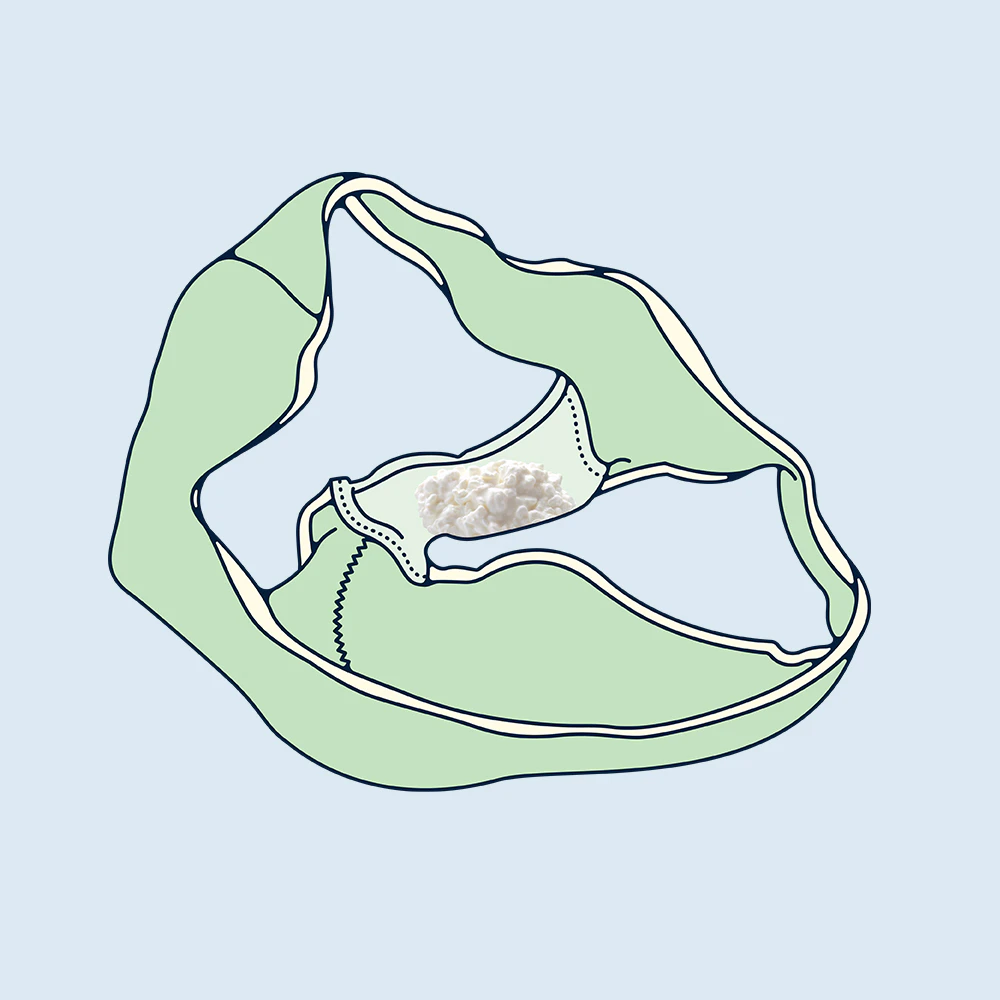
- Abnormal vaginal discharge that resembles cottage cheese
- Burning or itching of the vulva and/or vagina
- Burning during urination
- Burning or pain during intercourse
Anyone can get yeast infection, even people with a penis, but it’s most common in cisgender women. 75% of women will get yeast infection at least once in their life, and many find that the condition shows up just during or just after their period.

Periods are a contributing factor to recurring yeast infection because both hormonal fluctuations and changes in your vaginal pH can trigger the overgrowth of Candida.
Changes in hormones
Your menstrual cycle is composed of four phases, each dictated by cyclical hormonal fluctuation. These hormonal changes can affect your vaginal microbiome, and the rise of estrogen levels stimulate the growth of Candida.
Estrogen levels peak just before ovulation, drop, then have another, smaller and sustained peak in the luteal phase.
Some studies show that yeast infection symptoms often start to appear just before your period starts. This is because the rise of estrogen in the middle of your cycle can promote the growth of Candida, and cause symptoms to appear at the end of your cycle (before or during the onset of menstruation).
Estrogen encourages the growth of Candida in a couple of ways. It allows yeasts to cling onto the cells of the vaginal wall more easily, and also promotes the production of glycogen, which Candida feeds on.
Estrogen’s role in the overgrowth of Candida is also why pregnant women and those on the combined oral contraceptive pill (COCP) have a higher risk of developing recurring yeast infection. It also explains why yeast infection is less common in children and postmenopausal women, who have lower levels of estrogen.
Changes in vaginal pH
Another reason why your period can cause yeast infection is due to changes in the acidity of your vaginal environment.
Throughout most of your cycle your vagina has a pH of 3.8-4.5, which is fairly acidic. This prevents bad bacteria and pathogens from colonising and creating an imbalance in your vaginal microbiome.
However, your vaginal pH changes during menstruation, making you more prone to conditions like yeast infection and BV. Menstrual blood has a pH of around 7.4, and the prolonged presence of it in the vaginal canal disrupts the natural environment by making it more alkaline and allowing Candida to grow.
Do tampons increase your risk of yeast infection?
Although tampons don’t directly cause yeast infection, they trap menstrual blood in the vaginal canal for longer. Anything inserted in the vagina for prolonged periods of time – whether tampons, menstrual cups or diaphragms – can lead to infections, even rare but fatal ones like TSS. This is why it’s important to change your tampon at least every 4-8 hours.
Most mainstream tampons also cause fiber loss, where the cotton or rayon fibers of the tampon shed inside your vaginal canal during wear. The leftover fibers can become a breeding ground and cause the growth of bad bacteria or yeasts. This is why Daye tampons have a protective sleeve to prevent fiber loss!
Other causes of yeast infection
Your period isn’t the only reason why you may get yeast infection. You may be at higher risk of developing yeast infection if you:
- are pregnant
- have untreated diabetes
- have recently taken broad-spectrum antibiotics
- are immunosuppressed because of HIV or cancer
- use of the combined oral contraceptive pill (COCP)
Yeast infection is not considered an STI, but having penis-in-vagina or oral sex could increase your risk of getting yeast infection.
Treatment for yeast infection
Yeast infection is treated with an antifungal vaginal cream or tablet composed of clotrimazole. There is also early evidence to suggest that taking oral or vaginal probiotics help treat recurring yeast infection when combines to an antifungal, as opposed to using an antifungal medication alone.
Tips to prevent yeast infection
Annoyingly, there aren’t any effective, long-term management options for recurring yeast infections, so prevention is key. To limit your risk factors:
- practise safe sex (always use a condom)
- wear cotton undies
- avoid vaginal douches and washes
- wash your vulva with warm water only
- take high-quality probiotics
TL;DR
- Yeast infection is caused by the overgrowth of a fungus called Candida albicans.
- Many women experience recurring yeast infection during or after their period.
- The menstrual cycle can trigger yeast infection by creating changes in hormone levels and vaginal pH, which encourage the overgrowth of Candida.
- Yeast infection is easily treated with antifungal medications and probiotic supplements.