


This blog post was written in partnership with Bummed- specialists in anorectal health - as part of an ongoing partnership with Daye focused on closing gaps in women's preventative care.
You’ve likely heard of HPV in the context of cervical cancer. You may even know about HPV testing, pap smears, or vaccines. But what’s often left out of the conversation,especially for younger women,is how HPV can affect the anorectal area.
We’re partnering with our friends at Bummed, who aim to make conversations about anorectal health less awkward, more informed, and actually helpful. They provide specialty prescription care for issues like hemorrhoids and anal fissures, which commonly affect women of all ages (particularly during pregnancy).
So let’s break it down: what HPV is, how it’s linked to anal cancer, what symptoms to watch for, and how to advocate for yourself.
First: What is HPV (and why is everyone talking about it)?
Human papillomavirus (HPV) is one of the most common sexually transmitted infections. It spreads through skin-to-skin contact, including vaginal, oral, and anal sex.
Most people will get HPV at some point in their lives, and in many cases, the body clears it naturally without causing harm.
But certain strains? They’re different.
Some types of HPV are considered “high-risk” because they can lead to cancer, including:
- Cervical cancer
- Anal cancer
- Vaginal and vulvar cancers
- Throat and oral cancers
According to the CDC, HPV is responsible for the majority of anal cancer cases, with over 90% of anal cancers testing positive for HPV DNA. Additional insights from the Mayo Clinic reinforce that HPV infection is a key driver behind anal cancer development.
So yes, HPV isn’t just a cervical issue, it never was.
The connection: HPV and anal cancer
Anal cancer is relatively rare but it’s increasing globally, especially among women.
Research suggests:
- HPV is considered a necessary cause of most anal squamous cell carcinomas (ASCC)
- Around 29,000 people globally are affected annually, many of whom are women
- Anal cancer is one of the cancers most strongly associated with HPV, second only to cervical cancer
Data from a peer-reviewed study highlights HPV’s central role in anal cancer development, while experts at Dana-Farber Cancer Institute emphasize the rising incidence and the importance of early detection.
So what’s happening?
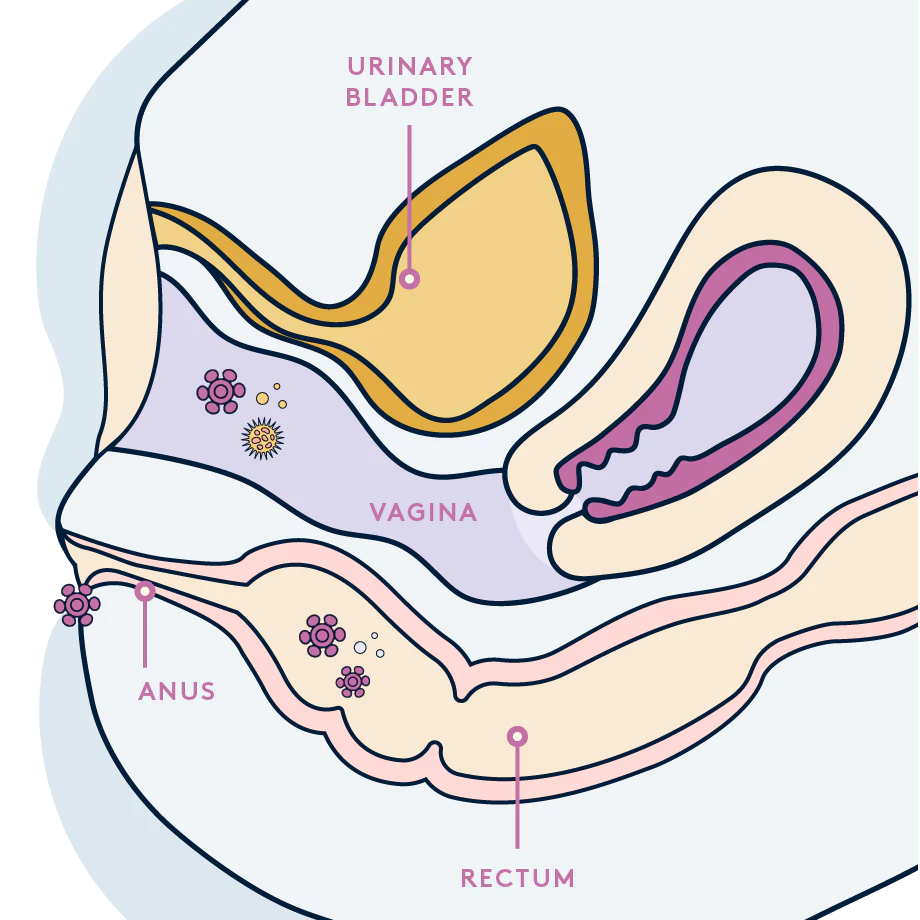
When high-risk HPV infects cells in the anal canal, it can cause cellular changes over time. These changes may develop into precancerous lesions and eventually cancer if left undetected.
This process doesn’t happen overnight. Which is why early awareness = real power.
Why women should pay closer attention
Anal cancer has historically been discussed more in certain high-risk groups (like men who have sex with men or people living with HIV). But here’s what often gets missed:
👉 Women are absolutely at risk too.
In fact, women account for a large proportion of anal cancer cases.
Why?
- HPV transmission doesn’t discriminate: it spreads through any skin-to-skin sexual contact
- Women with a history of cervical HPV infection may also have HPV in the anal region
- Hormonal changes (pregnancy, postpartum) can affect immune response and increase vulnerability
- Chronic inflammation plays a role in cancer development
Add to that the reality that anorectal symptoms are often ignored, misdiagnosed, or dismissed and you’ve got a problem.
The stigma problem (aka why no one is talking about this)
Let’s be honest: talking about your butt isn’t exactly brunch conversation.
Symptoms like:
- Rectal bleeding
- Itching
- Pain
- Lumps
…are often brushed off as “just hemorrhoids” or something minor.
And while hemorrhoids are common, they can also mask more serious conditions.
At Bummed, we see this all the time. People wait months or years before getting symptoms checked because:
- It feels embarrassing
- They assume it’s nothing
- They’ve been dismissed before
We’re here to change that. We provide an escalation path in our symptoms checker so that if your symptoms are presenting as something more serious than hemorrhoids or fissures, we’ll point you to in-person care.
Early signs and symptoms of anal cancer
Here’s where things get tricky: early anal cancer symptoms can look a lot like common anorectal conditions.
That’s why awareness matters.
- Bleeding from the rectum
- Persistent anal itching
- Pain or pressure in the anal area
- A lump or mass near the anus
- Changes in bowel habits
- Unusual discharge
If something feels off and doesn’t improve, it’s worth getting checked.
And if you’re currently dealing with symptoms like irritation or discomfort, Bummed offers treatments like Rapid Relief and Long-Acting Hemorrhoid & Fissure Rx Creams but always make sure to seek in-person care.
HPV doesn’t act alone: the role of inflammation
Here’s something most people don’t realize:
👉 Chronic inflammation plays a major role in cancer development.
Scientific literature shows that about 20% of cancers are linked to chronic infection or inflammation, including HPV-related cancers.
HPV creates an environment where:
- Cells are repeatedly damaged
- The immune system is activated long-term
- Abnormal cells can grow and evade detection
Other factors that increase inflammation (and risk):
- Smoking
- Inflammatory bowel disease (IBD)
- Immune suppression
- Chronic irritation or untreated anorectal conditions
Who is at higher risk?
While anyone with HPV can develop anal cancer, certain groups face higher risk:
- People living with HIV
- Men who have sex with men
- Individuals with weakened immune systems
- Smokers
- Those with a history of HPV-related cancers
- People with chronic inflammatory conditions
Screening: what exists (and what’s missing)
Unlike cervical cancer, there’s no standardized anal cancer screening program for the general population, which makes early awareness and proactive testing all the more important.
Daye’s at-home Vaginal HPV screening (coming soon in the US and available currently in the UK and Ireland) can help women:
- Detect high-risk HPV strains
- Understand their risk earlier without waiting for a clinic appointment
- Take proactive steps for their health
This matters for anal cancer risk too. The high-risk HPV strains Daye's screen detects , particularly HPV 16 and 18, are the same strains most strongly associated with anal cancer development. Knowing you carry a high-risk strain is clinically relevant beyond cervical health: it's a signal to stay vigilant, discuss your full risk profile with a healthcare provider, and not dismiss anorectal symptoms if they arise.
Daye's HPV screening is NOT a replacement for cervical screening (smear tests).
Together, Daye's HPV Screen and Bummed's anorectal care create a more complete picture - detecting risk early, and treating symptoms effectively when they arise.
What you can actually do (starting now)
Let’s bring it back to what matters: you and your health.
1. Pay attention to your body
If something feels off, especially in the anorectal area, don’t ignore it.
2. Don’t assume it’s “just hemorrhoids”
Yes, hemorrhoids are common, but not everything is hemorrhoids.
3. Stay on top of HPV prevention
- HPV vaccination
- Routine gynecological care
- Screening when available
4. Advocate for yourself
If something feels dismissed, push for answers. You deserve clarity.
5. Take care of your anorectal health proactively
That’s precisely why Daye and Bummed are partnering - to focus on education, prevention, and treatment, because your health shouldn’t be reactive.
The more we normalize these conversations, the more we catch things early, treat them effectively, and remove the shame entirely.
For more resources and information on anal cancer, visit Cheeky Charity’s site - a patient-focused organisation offering support and information for those affected.