
One in three women in the UK will have an abortion in her lifetime. An experience that was made practically, albeit not emotionally, nor physically, easier last week.
Following a two-year trial of a “pills by post” abortion service - a system dubbed’ telemedicine’ - introduced because of lockdown, MPs voted on Wednesday, March 30th, to force the government to renege on its plans to end the scheme. The vote means that the landmark Abortion Act of 1967 will be amended as the UK is brought into line with Wales, which similarly moved to make the scheme permanent earlier this year.
And yet, as the debate around the decision bore testimony to, abortion still remains a taboo topic - one typically under-discussed and around which there exists woefully little information for those who need to access abortion services.
As the associate director of British Pregnancy Advisory Services (BPAS), Katherine O'Brien, recently told The Independent’s Women’s Correspondent, Maya Oppenheim, “One in three women in the UK has an abortion, yet it is so stigmatized.
One in three women in the UK has an abortion, yet it is so stigmatized
“It is a standard part of women’s healthcare. Everyone will know someone who’s had an abortion. [And yet] there isn’t a concerted effort to make the service the best it can be for women. The taboo and the stigma, and almost a view that women undergoing abortion do not deserve the best care, is part of the reason the government sidelines this issue…”
Given the prevalence of abortion here in the UK, why is it not a topic discussed in the context of Sex Education at schools, for example? As a core component of sexual health and wellness? Why do we not grow up with an understanding of what the process of having an abortion entails, where in the UK we can access one, and what the after-effects of the procedure may be?
Proper education around abortion would at least go some way towards removing some of the shame that still surrounds it, the sort of shame my guest on this week’s episode of ‘Talking Taboos with Daye’ is all-too-familiar with.
Alannah Ross was 27 when she unexpectedly fell pregnant with her then-boyfriend of six years. There was never any question as to whether they would keep the baby, she tells me on the podcast, they were not ready for a child, neither financially, nor practically, nor emotionally.
She called her doctor immediately.
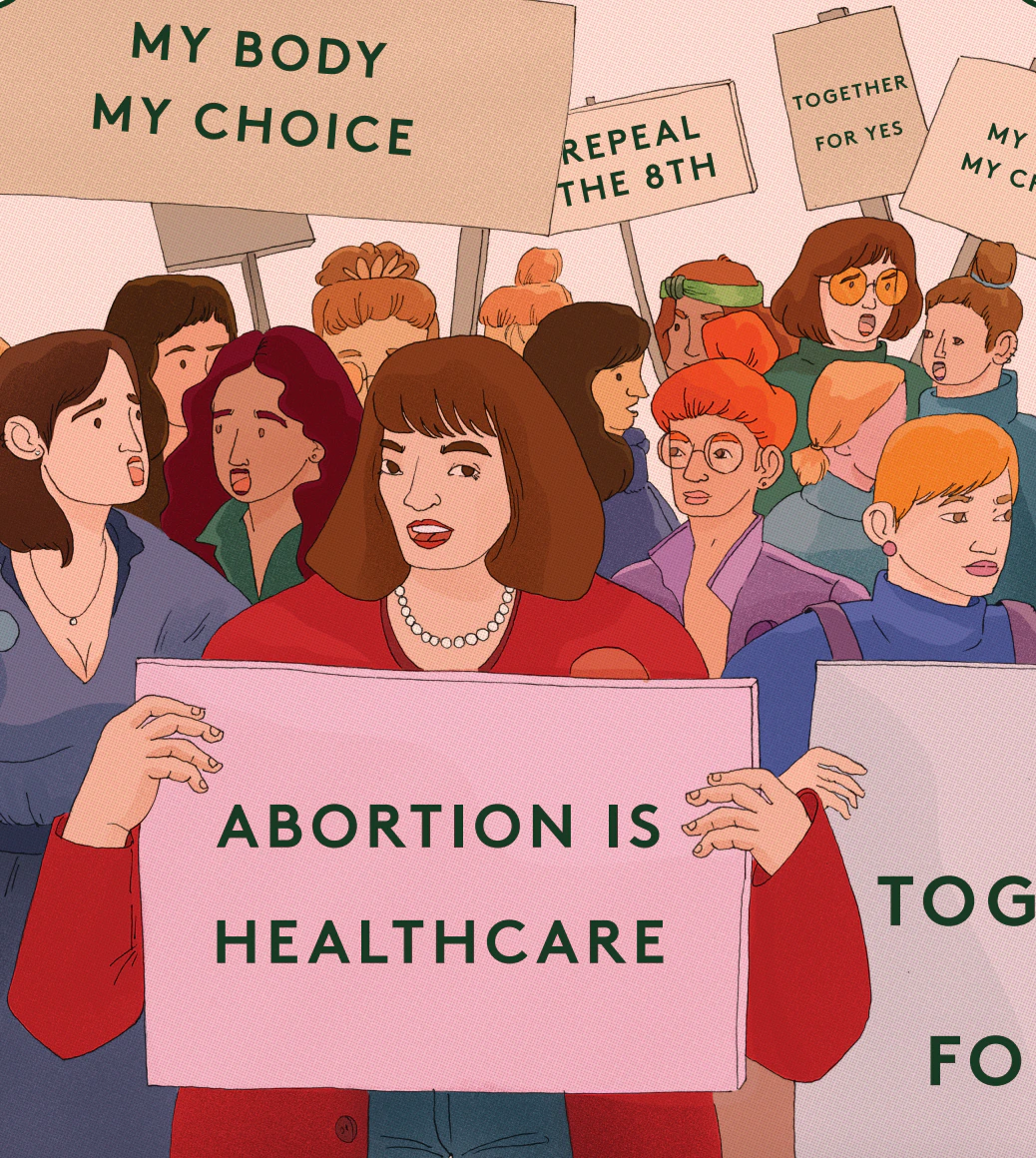
“I didn't tell anyone, [bar my partner]” she says, “because I just felt so much shame and so much guilt. I didn't want anyone to know what I was going to do.”
What followed has informed Alannah’s life in myriad, unexpected ways. Because however grateful she was to be able to access an abortion (the inability to access safe and legal abortion care impacts 700 million women of reproductive age worldwide, according to the Centre for Reproductive Rights) she was shocked at how little information she was given as to what the abortion process would entail (she opted for a medical abortion, which involves taking two pills - mifepristone and misoprostol).
She was more shocked still at the lack of aftercare she received following the termination. She was, it seemed, expected to carry on life as normal.
The problem with this, as my next guest on the episode, nutritionist Le’Nise Brothers, who specializes in women's health, hormones and the menstrual cycle, notes, is that in the aftermath of an abortion, your body is still expecting the pregnancy to continue. It can take some time for the body’s hormones to return to their pre-pregnancy levels and that can have a serious impact on how you feel during this period, particularly when you’re expecting things to go back to ‘normal’ immediately.
I didn't tell anyone, because I just felt so much shame and so much guilt
For Alannah, there was no time to stop and process what she’d gone through. She had travel plans, work commitments, a relationship to return to. And thus, it wasn’t until some three years later that she was forced to confront just how profoundly the experience had affected her and to embark on a ‘self-healing mission’ to overcome the very visceral feelings of grief, of loss, of guilt, that had risen to the surface.
It was a process that ultimately led Alannah to quit her job and set up Seek - a platform designed to transform the experience associated with any form of pregnancy loss, bringing together expert-led practices to support, educate and empower healing.
“Many women don't have the opportunity to process what has happened [following pregnancy loss],” Alannah tells me, “and don't feel like they're allowed to process what happened. But it’s just so important to be able to do this and to be able to grieve and to recover in the fullest sense. And it's never too late to do that.”
In this episode of Talking Taboos with Daye, Alannah Ross and Le’Nise Brothers join me to tackle the stigma surrounding abortion and provide a more holistic understanding of what the procedure, and the healing process that follows it, actually entail.
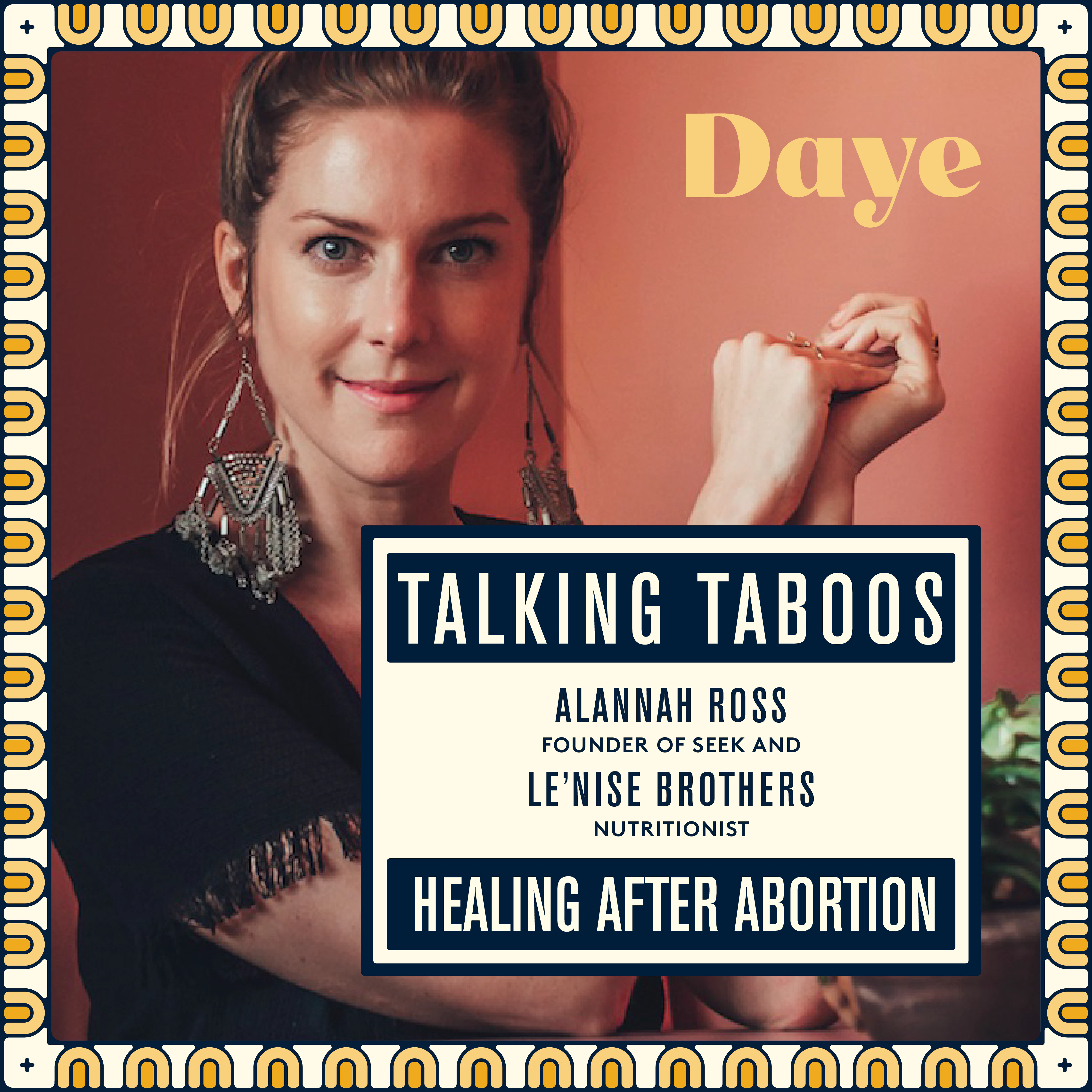
Listen to the fourth episode of our podcast here.