

On 21 May 2026, MP Emily Darlington stood up in Westminster Hall and opened a debate by warning colleagues she'd be using words that "big tech deems too sexual." Words like vaginal atrophy. And pelvic prolapse.
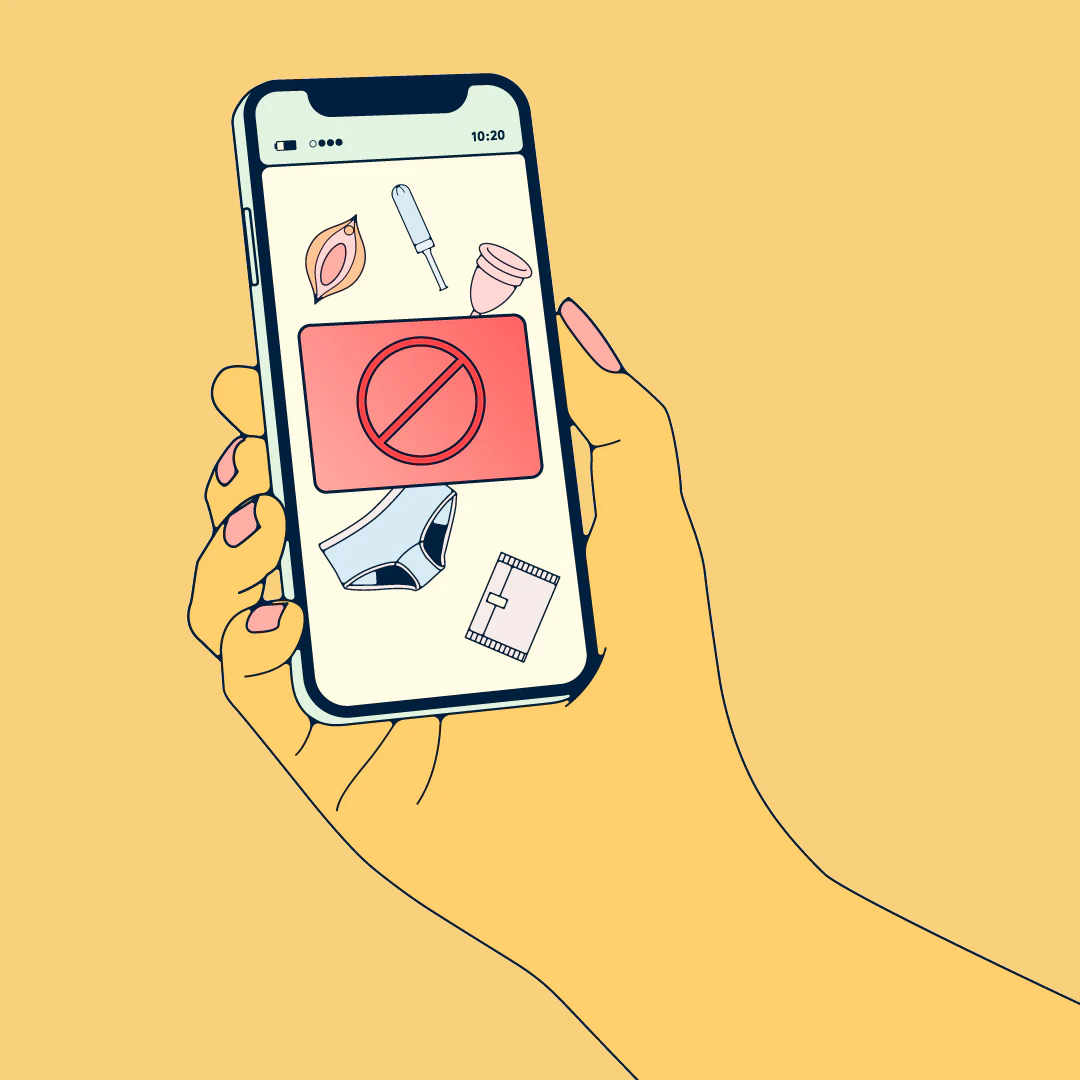
She was making a point. Because those are medical terms - and saying them online can get your content flagged, throttled, or removed.
Daye was part of the coalition that helped bring this debate to Parliament, led by the incredible advocates at CensHERship. And we want to be honest about what this moment means, and what it doesn't.
The problem, in plain terms
CensHERship's research found that 95% of respondents have experienced censorship of women's health content online - and nearly 4 in 10 have experienced it more than 10 times in the past year alone.
Medically accurate posts get classified as adult content. Ads for period pain relief get rejected. Accounts run by gynaecologists find their reach quietly cut. No explanation, no recourse. Over 600 women's health leaders have warned that platforms are systematically mislabelling accurate content on menstruation, fertility and menopause as "adult" or “sexual” material - reinforcing stigma and discouraging people from seeking help.
This isn't a glitch. It's a pattern.

What the law says - and where it falls short
The Online Safety Act 2023 places duties on social media platforms to protect users, and the government has confirmed the Act does not prevent access to legal content about women's health. That's technically true. It's also beside the point. The Act doesn't make platforms censor women's health content - but it doesn't stop them either. When an algorithm can't tell the difference between a clinical post about vulval health and adult content, good legislation alone doesn't protect the patient trying to find out if her symptoms are normal.
Why this goes beyond social media
When reliable information disappears, something else fills the gap. Usually, that’s misinformation. People delay care, go undiagnosed, and assume their symptoms are too embarrassing to mention to a doctor. Closing the women's health gap could unlock a $1 trillion annual boost to the global economy - yet the innovators building that future are being stifled by systems that confuse healthcare with obscenity.
Where Daye stands
We shouldn't have to replace vagina with the "V-word." We won't stop talking about discharge, prolapse, libido and periods - because those are real health topics that affect real people. Parliamentary debate alone won't fix this. But when lawmakers have to say "pelvic prolapse" out loud in the House of Commons to illustrate what's being silenced online, something has shifted. The next step is making sure this effort translates into transparent moderation, protected medical content, and platforms that treat women's health as healthcare. We'll keep pushing until it does.